Printing on Glass Bottles and Containers

Leverage Videojet continuous inkjet or laser technology for printing on glass bottles

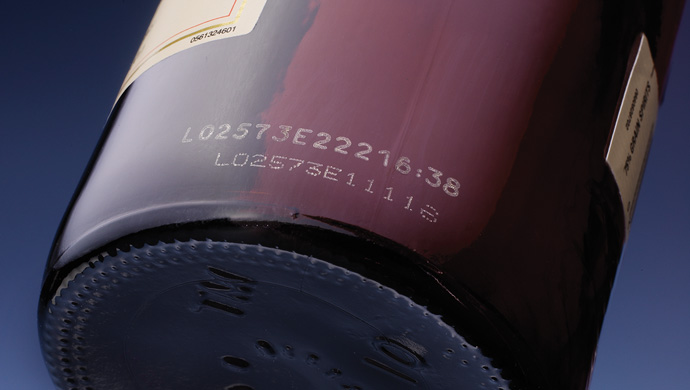
Printing clear, durable codes on glass bottles and containers requires coding solutions that deliver high contrast, precision, and reliability without slowing production. Videojet offers continuous inkjet and laser marking technologies designed to print lot codes, dates, and traceability information on glass surfaces, helping food, beverage, pharmaceutical, and cosmetics manufacturers maintain code quality, support compliance, and keep production lines running efficiently.

From high-speed lines to high condensation environments, beverage producers operate in some of the most demanding production conditions.

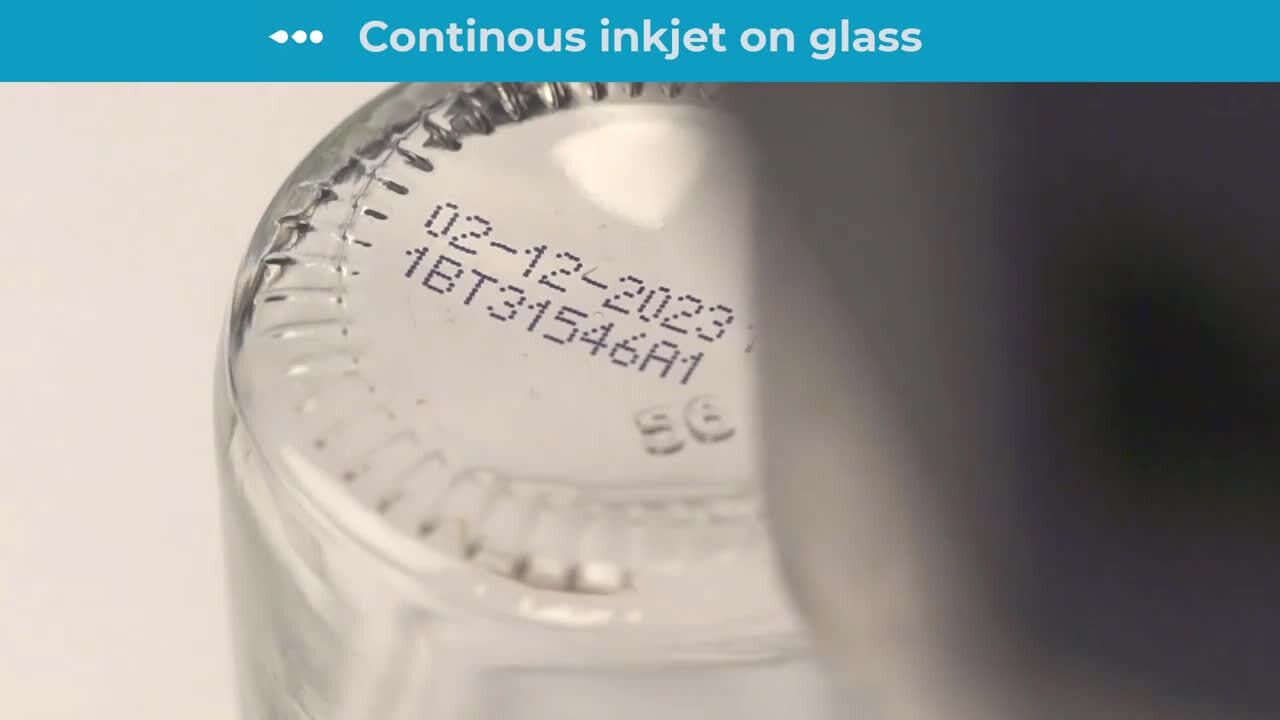
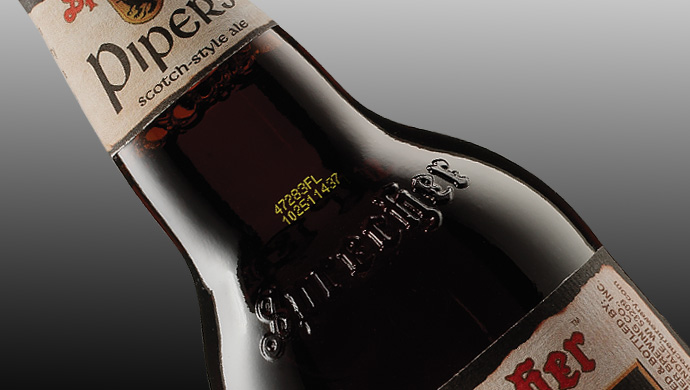
Videojet offers a broad range of continuous inkjet (CIJ) and laser solutions for printing and marking on glass bottles.

Best printing method for glass bottles 

Choose a method that matches your run lengths, code content, and container geometry. Videojet offers two proven technologies for printing on glass and printing on glass bottles:

  • Continuous inkjet (CIJ) Non-contact coding for small characters on curved or uneven surfaces. A go-to approach for high-speed printing on glass bottles with legible, high-contrast codes, including best-by dates, batch numbers, and variable data.
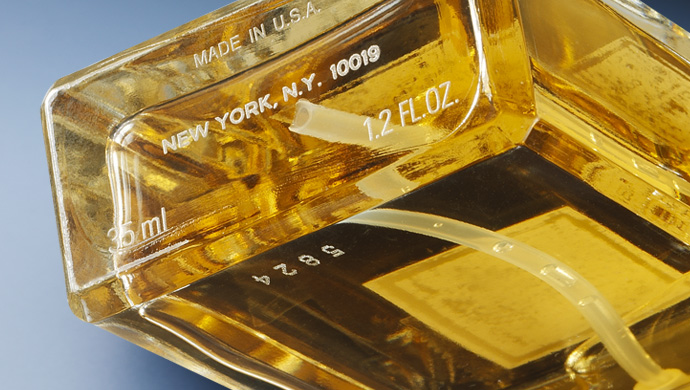
  • Laser marking Creates permanent, abrasion-resistant marks directly on the glass without consumables. Excellent for long-term traceability where permanence is critical and consumable reduction is a priority.

For cylindrical containers, rotary fixtures and wraparound registration help maintain alignment at speed. Our team can assess part size, opacity needs, and line conditions to specify the right CIJ ink set or laser wavelength and marking parameters.

Printing on glass bottles in wet or condensed environments

Cold-fill and refrigerated lines create condensation that can disrupt droplet placement and adhesion. For printing on glass bottles in these conditions, Videojet recommends:

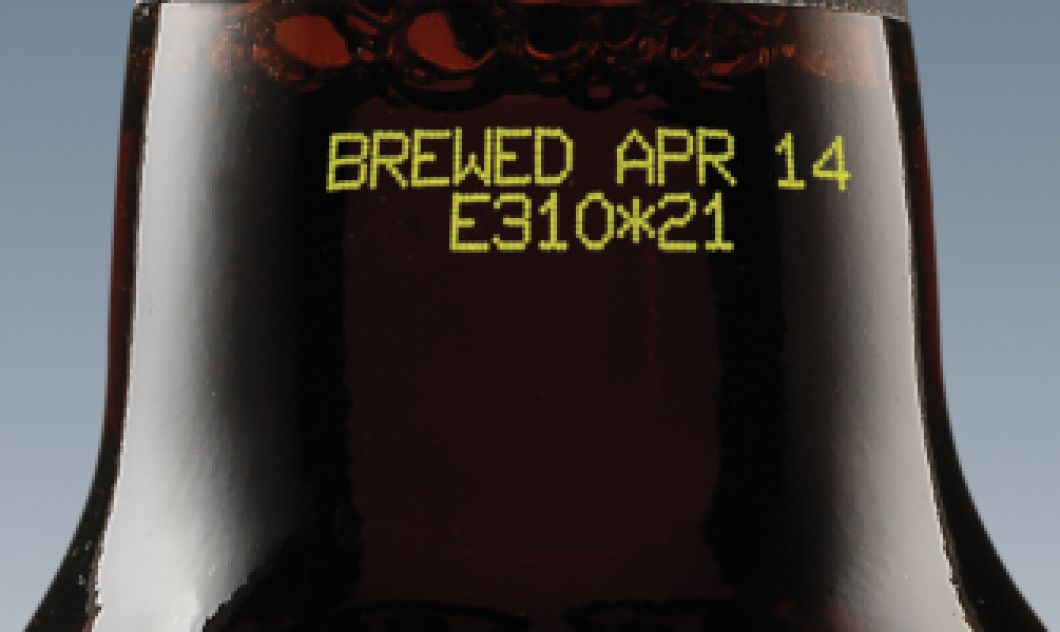
  • CIJ with condensation-resistant or fast-dry inks; pigmented inks for contrast on dark glass.
  • Laser coding where a surface reaction delivers permanent, moisture-immune marks.
  • Stabilizing bottles with targeted air knives or heaters; optimizing line speed, throw distance, and printhead position to reduce overspray and turbulence.

CIJ vs. Laser for printing on glass

CriteriaCIJ InkjetLaser Marking
EnvironmentHandles curved, moving, and moist bottles with the right inkPrefers dry, stable path with safety controls
DurabilityTemporary to medium-term; optional caustic-wash removablePermanent, high-contrast marks depending on glass composition
OperationsFast changeovers and variable dataLow consumables and clean operation

Returnable glass, washdown, and sustainability

  • Washable CIJ inks: Caustic-removable formulations enable clean removal after use while supporting cold-fill handling. Validate removal and legibility at production speeds.
  • Laser marking: Ideal for permanent logos or traceability that must survive multiple wash cycles without compromising bottle integrity.
  • Washdown-rated printers: Many CIJ and laser systems are available with IP65+ enclosures, positive air, and stainless-steel frames for high-humidity or washdown areas; confirm compatibility with your cleaning chemicals and SOPs.

Videojet continuous inkjet solutions

Videojet laser solutions

Applications

Resources

Videos

Vidyard Thumbnail
Avon case study
Vidyard Thumbnail

FAQs

How to print on glass bottles

Printing on glass bottles is achieved by using non-contact coding technologies that deliver high-contrast, readable codes without slowing production. CIJ printing provides flexible, changeable codes, while laser marking creates permanent marks directly on the glass for long-term traceability and durability.

How to print on glass jars

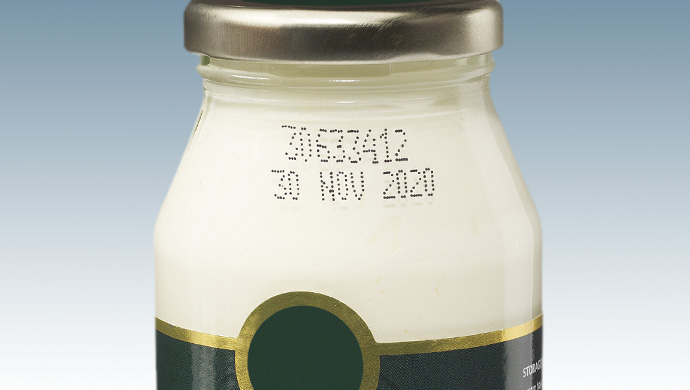
To print on glass jars, manufacturers rely on CIJ or laser systems that can mark uneven or rounded surfaces without physical contact. These technologies ensure clear, consistent coding for batch numbers, dates, and traceability, even in demanding production environments.

Does laser marking damage glass bottles?

Properly configured laser systems create a controlled surface reaction (such as color change) without compromising bottle integrity when parameters and substrate are validated. Application testing is recommended.

Can you print codes on reusable glass bottles?

Yes. Reusable glass bottles can be coded with CIJ printers or laser marking machines. CIJ printers can apply durable date, lot, or batch codes with glass-compatible inks, while laser marking creates permanent, high-contrast codes without ink or consumables.

How long does ink last on glass? 

CIJ printing ink can last a long time on glass when the right ink is used. Durability depends on the glass surface, ink type, moisture, handling, and exposure to abrasion or chemicals.

Can printers be washed down?

Yes. Models with appropriate IP ratings, sealed connectors, and hygienic design can withstand routine washdowns when shut down and protected according to manufacturer guidelines.