
GS1 Digital Link and 2D Code Implementation

GS1 Application Identifiers and data structure
The effectiveness of a 2D code depends not only on print quality, but also on the information it contains and how that information is structured. GS1 standards provide a framework for encoding information through Application Identifiers (AIs), which define the meaning and format of specific data elements.
Application Identifiers help ensure consistency across products, organizations, and supply chain partners. Common examples include:
- GTIN (01)
- Batch or lot number (10)
- Serial number (21)
- Expiration date (17)
- CPV – Consumer Product Variant (22)
These identifiers allow systems to interpret barcode data consistently and support interoperability across different environments and technologies.
Reference: The complete list of GS1 Application Identifiers is available through the GS1 Application Identifier Directory.

Syntax and data validation
A QR code may appear of high quality to the human eye but could still contain formatting errors that would be problematic in the supply chain. Correct syntax and data structure are essential for standards compliance and reliable system performance.
Manufacturers should establish processes to help confirm:
- Correct Application Identifier usage
- Accurate data formatting
- Proper data sequencing
- Compliance with GS1 requirements
- Alignment with approved product records
Validation activities can help identify issues before products reach distribution channels or retail environments. Combined with print quality verification, data validation is an important component of successful GS1 Sunrise 2027 implementation.
Reference: Visit the GS1 General Specifications and applicable GS1 guidance when defining and validating barcode data structures.

Explore the complete GS1 Sunrise 2027 guide
This article covers one aspect of GS1 Sunrise 2027. Visit our main guide for an overview of 2D barcode adoption, implementation considerations, retail readiness, and practical resources for brands and manufacturers.
Continue your GS1 Sunrise 2027 journey
Explore related resources to deepen your understanding of 2D barcodes, GS1 standards, and implementation best practices.
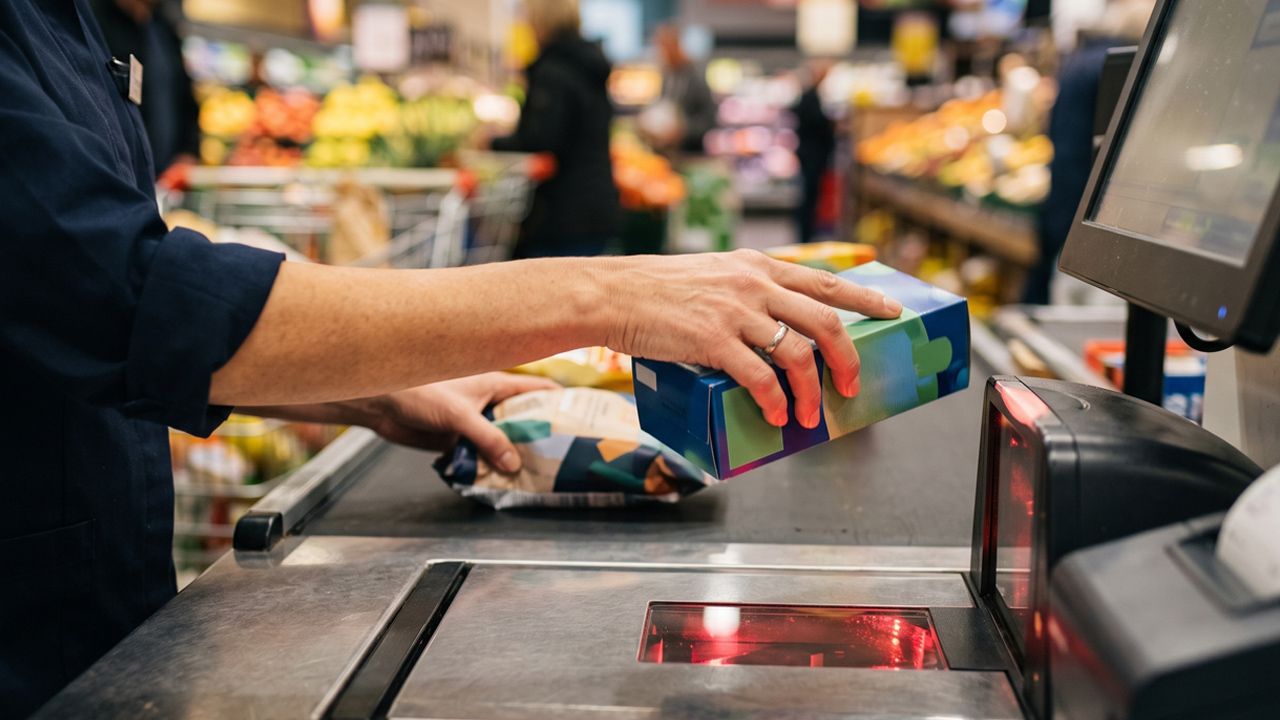
Understanding GS1 Sunrise 2027 and 2D codes
Learn the basics of GS1 Sunrise 2027, including 2D barcode adoption, retail point-of-sale readiness, QR codes, DataMatrix codes, and how 2D codes fit alongside existing EAN/UPC barcodes.
*GS1 and the GS1 logo are registered trademarks of GS1 AISBL.
**QR Code is a registered trademark of DENSO WAVE INCORPORATED.


